USA Travel Ban 2026: 39 Countries Now Blocked from Student Visas
The US expanded its travel ban starting January 2026. 39 countries face full or partial bans on F1 student visas. Here's what students need to know.

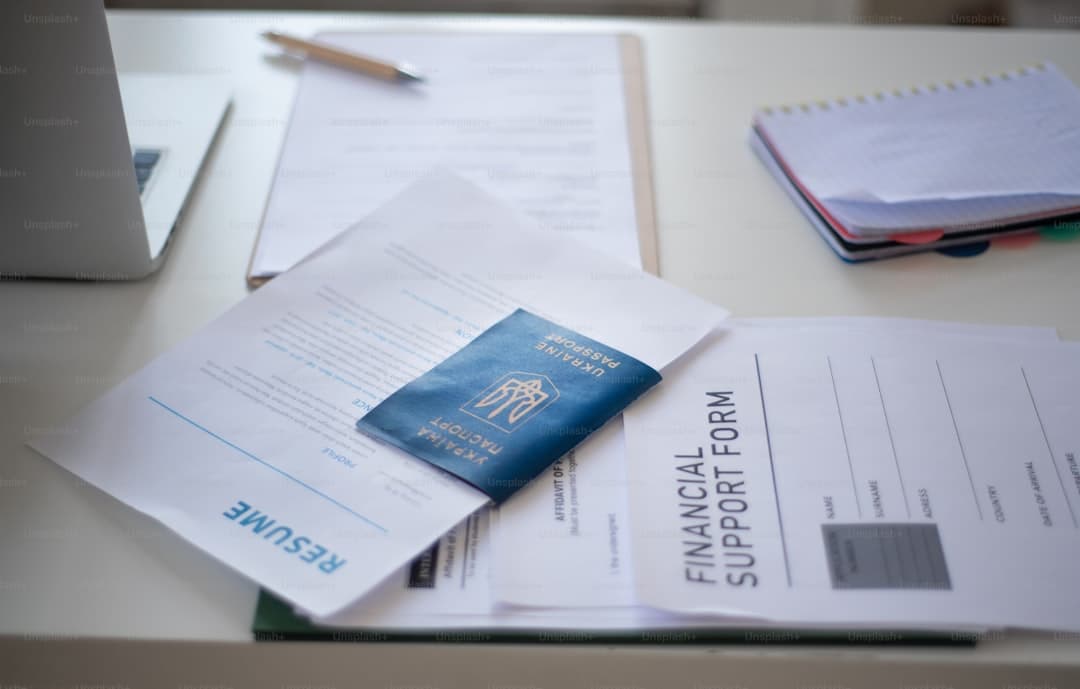
The landscape for international students wanting to study in America just shifted dramatically. The US government has expanded its travel ban list, and starting January 1, 2026, students from 39 countries will face significant restrictions on obtaining F1 student visas. Here's what you need to know about these changes and what they mean for your study abroad plans.
Understanding the New Travel Ban Structure#
The updated travel ban list includes 39 countries, but it's not a blanket restriction for all. The ban is structured in two categories:
- Full Ban Countries: About 20 countries where citizens cannot obtain any type of US visa
- Partial Ban Countries: The remaining 19 countries where student visas and tourist visas are specifically blocked
If your country is on the partial ban list, you cannot get a student visa or tourist visa to come to America in 2026. This is a significant change that affects thousands of prospective international students.
Why These Countries Were Added: The Government's Reasoning#
The US government has provided specific justifications for adding countries to this list. Let me break down the key reasons they've shared:
High Overstay Rates#
Several countries were added due to concerning overstay statistics:
| Country | Overstay Rate | Ban Type |
|---|---|---|
| Sierra Leone | 35% of students | Partial Ban |
| Gambia | 38% overstay rate | Partial Ban |
Sierra Leone made the partial ban list because they have a "very high overstay rate." This means when students get visas and come to America, 35% of them don't leave at their designated departure time. Instead, they stay longer than allowed, violating their visa terms.
Gambia faces similar issues with a 38% overstay rate. Essentially, 40% of students who come to study in America from Gambia end up staying illegally afterward.
Security and Screening Concerns#
Nigeria represents a different case entirely. While they're on the partial ban list, the primary reason isn't their overstay rate. Instead, the US government states that "certain groups operate freely in Nigeria, and this creates a substantial screening and vetting difficulty."
This security-based reasoning affects one of the largest sources of international students to America.
Failure to Accept Removed Nationals#
South Sudan earned a spot on the full ban list because they have "historically failed to accept back its removed nationals." When the US tries to deport South Sudanese citizens, the country doesn't cooperate in taking them back.
What This Means for Your Study Plans#
I know this news is disheartening for many of you. If your country is on this list, you're probably feeling frustrated and uncertain about your educational future. But here's what I want you to understand:
Policies can change. These restrictions aren't necessarily permanent. Here are several ways the situation could improve:
- Court challenges can overturn or modify these policies
- New circumstances may lead the US to reconsider certain countries
- Policy changes with new administrations or shifting priorities
Because of this potential for change, I still encourage you to apply to schools in America even if your country is currently on the list. Things can change quickly in immigration policy, and your country might be removed from the list in the future.
Alternative Pathways to Consider#
While you're waiting for potential policy changes, consider exploring other options that can keep your American education dreams alive:
Scholarship Opportunities#
Even with travel restrictions, it's worth positioning yourself for when policies change. Check out these scholarship opportunities:
- 100% scholarships for international students that don't require upfront payments
- Tuition-free universities in America that eliminate cost barriers
- Universities offering full scholarships with no SAT requirements
Transfer Student Options#
If you're already studying elsewhere, universities with full scholarships for transfer students might provide a pathway when restrictions lift.
Staying Informed About Policy Changes#
Immigration policy moves fast, and you need to stay current with the latest developments. Here's how to keep up:
- Follow reliable immigration news sources
- Monitor official government announcements
- Stay connected with education consultants who track these changes
I'm constantly monitoring immigration developments and policy changes that affect international students. When significant updates happen, I share them immediately with my community.
What to Do Right Now#
Despite these restrictions, don't give up on your educational goals. Here's my practical advice:
- Continue your academic preparation — maintain strong grades and test scores
- Research and apply to American universities — be ready when policies change
- Explore scholarship opportunities — reduce financial barriers
- Consider alternative study destinations — Canada and other countries remain open
- Build a strong application profile — make yourself competitive for when restrictions lift
Related Resources#
While navigating these challenges, these guides can help you prepare:
- 10 American Universities with 100% Scholarships — Financial aid opportunities
- Free Universities in the USA — No-cost education options
- Universities Still Accepting Applications — Current opportunities
- No Application Fee Scholarships — Save money while applying
The Bottom Line#
Yes, this travel ban expansion is a significant setback for students from these 39 countries. The restrictions are real, and they'll affect thousands of prospective international students starting January 2026.
But here's what I've learned from years of helping international students: persistence and preparation pay off. Immigration policies change, court decisions overturn restrictions, and new opportunities emerge.
Don't let this current setback derail your educational dreams. Keep preparing, keep applying, and stay informed about policy developments. Your opportunity to study in America may be delayed, but it's not necessarily denied forever.
Get More Help#
Join The Village — thousands of international students figuring it out together.
Book a 1-on-1 Call With Me — 60 minutes of focused guidance on your specific situation.
Need more help?
Want me to walk you through your applications, step by step? That's what my mentorship program is for.
In Nigeria? Skool is blocked there — if you see “under maintenance,” open the link with a VPN set to the US or UK.