Community College to Top University: My Transfer Success Story
Learn how I transferred from community college to University of Rochester on full scholarship, saving over $100,000. Complete transfer guide for international students.

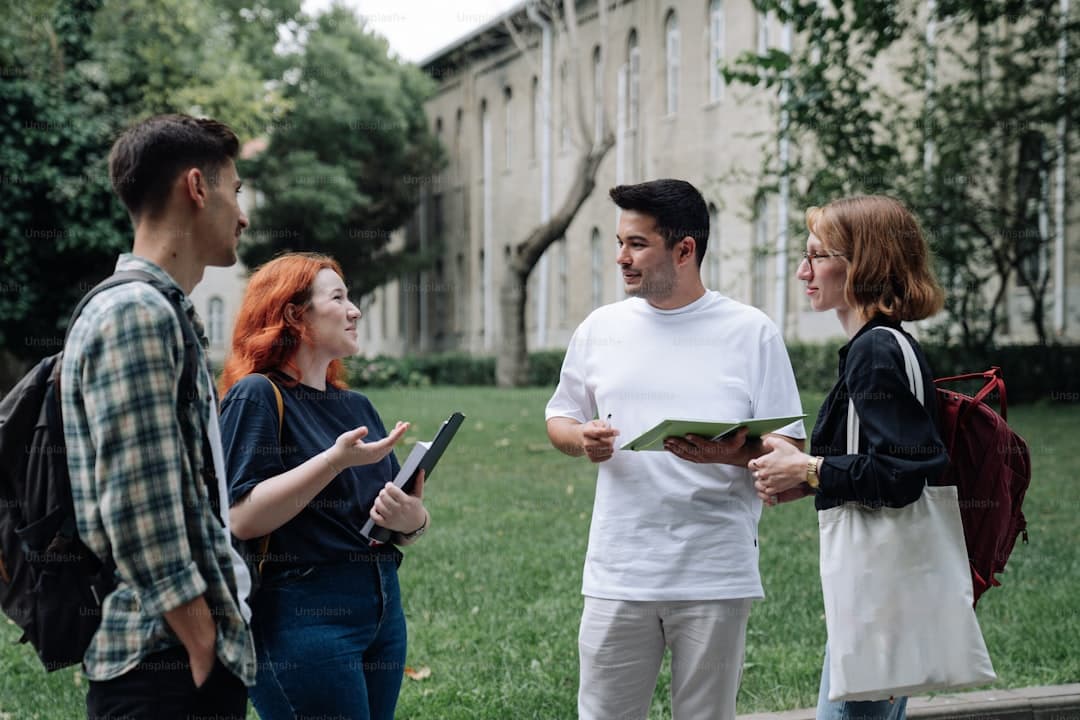
I came from South Africa to America in 2013 as an international student, and I did something most international students don't consider — I used the US transfer system to go from a small community college to the University of Rochester on a full ride scholarship. This strategy saved me over $100,000 and opened doors I never imagined possible. Let me show you exactly how this works and how you can do it too.
What is College Transfer in the US?#
In the US, you don't have to stay at the same college for 4 years. The transfer system allows you to start at one school, take classes there, and then move to another school to complete your remaining years. This is a game-changer for international students.
Here's how it typically works:
- You transfer from one school to another
- Your credits (courses you've completed) usually carry over
- You complete your degree at the new school
- Most of the time, it's a smooth process
My path: I did 2 years at community college, earned my associate's degree, then transferred to a 4-year university for my bachelor's degree. Total time: 4 years. Total savings: over $100,000. If you want the full breakdown of why this approach works, read my guide on how to study for free in the USA.
Types of Transfers You Can Make#
The transfer system is incredibly flexible. You can transfer:
- Community college to university
- Community college to college
- College to college
- University to university
The beauty of transferring: Even if you start at a less competitive school, you can still transfer to highly competitive universities like Harvard, UPenn, or other top schools. Nobody asks where you started — they only care about where you graduated.
The Financial Benefits Are Massive#
Let me break down the numbers that changed my life:
Traditional Path vs Transfer Path#
| Approach | Annual Cost | 4-Year Total |
|---|---|---|
| Direct to University | $60,000-$80,000 | $240,000-$320,000 |
| Community College + Transfer | $10,000 (2 years) + Scholarships | $20,000 + Aid |
Why universities love transfer students: They compete for quality transfer students, which means more scholarship opportunities for you. As an international student, this makes the US educational system way more accessible.
My 5-Step Transfer Strategy#
Step 1: Start Strong at Your First School#
Whether you're at a community college or university, take it seriously. Your success depends on:
- High GPA (grades matter for transfer applications)
- Strong extracurricular activities
- Good relationships with professors (you'll need recommendation letters)
Step 2: Plan Early#
Start researching potential transfer schools after your first year. Check their:
- Minimum GPA requirements
- Credit transfer rules
- Application deadlines
- Specific requirements for international students
Step 3: Join Phi Theta Kappa (Community College Students Only)#
If you're at community college, join Phi Theta Kappa immediately. This national honor society unlocks numerous transfer scholarships. This is exactly how I got my full ride to the University of Rochester.
Step 4: Apply Strategically#
Transfer applications are similar to freshman applications. You'll need:
- New application
- Transcripts from your current school
- Personal essay
- Proof of finances
- Letters of recommendation
This is why preparation matters — you need all these materials ready.
Step 5: Transfer Credits and Enroll#
Once accepted, your new school evaluates your existing credits. Stay in close contact with the admissions office to ensure maximum credit transfer. This helps you graduate on time.
Busting Transfer Myths#
Let me address the biggest misconceptions I hear:
Myth 1: "Transfer students don't get scholarships"#
False. I received multiple scholarships as a transfer student, including my full ride through Phi Theta Kappa membership.
Myth 2: "Top schools only accept first-year students"#
False. Schools like NYU, UCLA, USC, and most Ivy League schools accept transfer students every year. Only one Ivy League school doesn't accept transfers.
Myth 3: "Transferring wastes time"#
False. With proper planning and understanding of transfer policies, you can graduate on time or even earlier. I had no problems and finished exactly on schedule.
Why International Students Should Consider This Path#
The US transfer system is a powerful tool that most international students don't use. Here's why you should explore it:
- Financial accessibility — Start affordable, transfer to your dream school
- Flexibility — Change your path if your first choice doesn't work out
- Same end result — Graduate from a top university
- Scholarship opportunities — Access to transfer-specific funding
You can also explore full scholarships for a bachelor's degree in the USA to find schools that fund transfer students generously.
If you don't have the finances upfront like I didn't, starting at a community college and then transferring to your dream school is totally possible. This strategy helped me eventually attend the Ivy League for graduate school. For students who need help covering costs in the meantime, MPOWER Financing offers loans to international students without a US cosigner. Another creative option is the Au Pair program, which lets you live in the US while earning money.
Making Your Transfer Decision#
Before you dismiss the transfer route, consider this: understanding the transfer system will help you plan better, regardless of whether you use it. It's about having options and making informed decisions about your education.
I encourage you to research transferring more deeply because it absolutely helped me, and I believe it can help you too. The key is being strategic, planning ahead, and understanding that the US education system is more flexible than most international students realize.
For more information on finding full scholarships as an international student, check out my comprehensive guides on securing funding for your US education.
More Guides#
- How to Study for Free in the USA — the full roadmap for affordable US education
- Full Scholarships for Bachelor's Degrees in the USA — schools that fund transfer students
- Top Scholarships for International Students in 2026 — current scholarship opportunities
- University of the People Review — another affordable path to a US degree
Get More Help#
Join The Village — thousands of international students figuring it out together.
Book a 1-on-1 Call With Me — 60 minutes of focused guidance on your specific situation.

Need more help?
Want me to walk you through your applications, step by step? That's what my mentorship program is for.
In Nigeria? Skool is blocked there — if you see “under maintenance,” open the link with a VPN set to the US or UK.